
Triadelphia Still Facing Impacts from 2025 Flood
Backups in basements, rising bills and funding needs highlighted
Trending
TRIADELPHIA, W.Va. -- Those living in the wake of the catastrophic flash flooding that struck Ohio County in June 2025, an event that reshaped not only neighborhoods but also critical infrastructure beneath them, continue to deal with the long-term aftermath.
The lingering effects of the flood continue to surface -- most notably in the village of Triadelphia where damage to the sewer system is now creating new problems for residents and causing raw sewage to back up into homes, particularly during heavy rain.
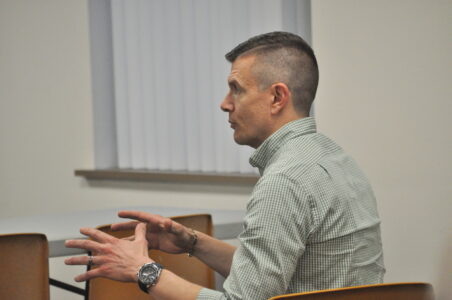
The sewer problems were discussed during Wednesday's regular meeting of Triadelphia Council, where West Virginia State Sen. Ryan Weld, R-Brooke, was in attendance to hear concerns and offer guidance on potential state and federal funding sources to address the issue.
On June 14, 2025, an intense and sudden downpour overwhelmed local waterways, sending floodwaters rushing through Triadelphia and surrounding communities along Wheeling Creek. Roads were inundated within minutes, homes and businesses were damaged, and infrastructure across the area took a significant hit as water, mud and debris surged through the village.
The flooding also proved deadly, claiming nine lives in the Ohio County area.
While the immediate focus in the days and weeks following the disaster was on cleanup and rebuilding above ground, officials have since pointed to less visible -- but equally serious -- damage below the surface.
Nearly a year later, those hidden impacts are now being felt inside residents' homes in the form of sewage backups.
"We were one of the houses that were affected severely by the sewer back up last Friday," resident Aaron Snyder said. "I estimated the cost of everything that was lost."
Residents say the basement backups have created unexpected financial burdens, and some have asked village officials to help offset costs not covered by the municipal insurance.
The issues stem from damage to Triadelphia's sewer system, portions of which were already aging before the flood. The sudden surge of stormwater placed extraordinary pressure on lines not designed to handle that volume, forcing debris into pipes, causing blockages and damaging key components such as manholes and joints.
Village officials say the full extent of that damage is still being uncovered.
"It's still actually going on from the flood, and we now have to start back over from square one," Mayor Maryann Hess said. "We have to film the sewer and find out where there are problems and make sure we can get it cleaned out so this does not happen again."
The town had completed a major sewer and water infrastructure project in September 2024, funded in part by a $9.3 million USDA Rural Development investment. Despite those upgrades, officials say the flood overwhelmed parts of the system -- particularly manholes within Wheeling Creek and debris collection areas.
More extensive fixes were considered, but cost remains a major obstacle for the small municipality.
"It would have cost Triadelphia over $10 million ... 'tough to swing a $10 million construction cost,'" officials said.
Hess said additional outside funding will be critical moving forward.
"We definitely need funds from the state to do this because our funds aren't there," she said.
Officials are also waiting on federal assistance, noting FEMA funding has been approved but not yet released.
At the same time, the village is facing rising costs tied to its sewer service agreement with the city of Wheeling -- an added strain as infrastructure problems persist.
"The sewer line we have to pay the city of Wheeling for," Councilman Tom Hoffman said. "One quarter our bill was about $25,000 higher than what it usually is. Our last bill was for $81,000 which is $50,000 higher."
Officials say infiltration from flood-damaged lines is contributing to the increased flow and higher bills, putting additional pressure on village finances.
"We have to take out a loan because we can’t get any help," Hoffman said.
Local officials say the situation remains urgent as costs rise and recovery drags on.
"We are pretty much tapped out. The flood is not over," Hoffman said.
He said the ongoing issues highlight a broader frustration that the disaster's long-term effects are being overlooked.
"I think people just think the flood is gone, but it's not and it's going to be here for a long time," Hoffman said.